




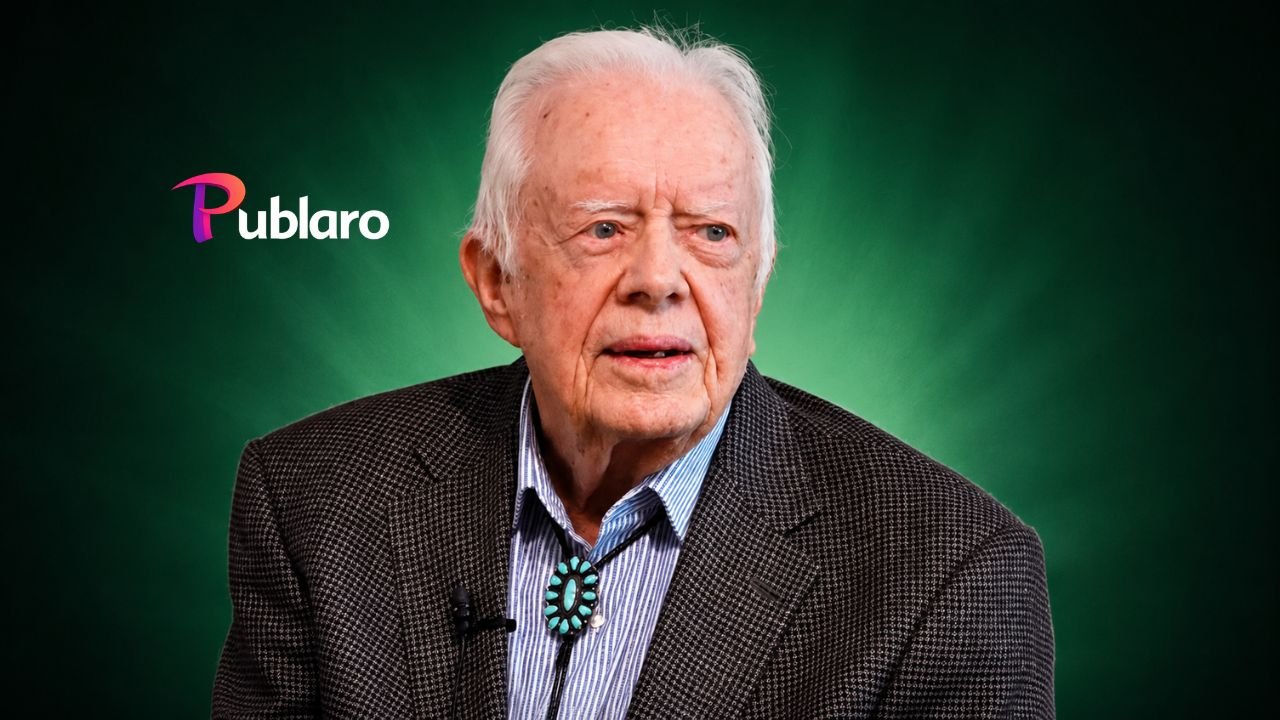
Jimmy Carter Hospice: Why Did His Final Chapter Change How People View End-of-Life Care
The phrase jimmy carter hospice became widely searched because it connected one of America’s most respected former presidents with a deeply personal and often misunderstood subject: end-of-life care. When Jimmy Carter chose to spend his remaining time at home in Plains, Georgia, with his family and hospice support, the decision was not just a private medical update. It became a national moment of reflection about aging, dignity, comfort, family, and what it means to live the final chapter of life with peace.
Jimmy Carter, the 39th president of the United States, was already known for a life defined by public service, humanitarian work, faith, humility, and a long post-presidential legacy. Yet his hospice journey added another powerful dimension to how people remember him. Instead of hiding his final stage from public view, his family allowed the world to understand that hospice is not always a matter of days. It can be a period of comfort, connection, and meaningful time with loved ones.
Jimmy Carter entered home hospice care in February 2023 and died peacefully at his home in Plains, Georgia, on December 29, 2024, at age 100. His time in hospice lasted nearly two years, which surprised many people because hospice is often misunderstood as care only for the last few days of life.
This article explains the full story behind jimmy carter hospice, including when he entered care, why his decision mattered, what hospice actually means, how his family handled the moment, and why his final chapter changed public conversations about death, dignity, and compassionate care.
Quick-Read Facts About Jimmy Carter Hospice
What Does Jimmy Carter Hospice Mean?
The term jimmy carter hospice refers to the period in Jimmy Carter’s later life when he chose home hospice care instead of continued hospital-based medical intervention. This decision came after a series of health challenges and hospital stays. Rather than continuing aggressive treatment, Carter chose to remain at home surrounded by family.
Hospice care is designed for people facing a terminal illness or advanced serious condition when the focus shifts from curing the illness to improving comfort, dignity, and quality of life. For Carter, this meant receiving support at home while spending time in a familiar place with the people closest to him.
The most important point is that hospice does not mean a person is being abandoned. It means the care goal changes. Instead of chasing every possible medical intervention, the focus becomes comfort, symptom management, emotional support, spiritual peace, and family presence.
Jimmy Carter’s choice helped many people understand that hospice is not simply a place. It is a model of care. A person may receive hospice at home, in a hospice facility, in a hospital, or in a nursing setting. Carter’s case became especially meaningful because he remained at home for a long time, showing that hospice can look different for every patient.
When Did Jimmy Carter Enter Hospice Care?
Jimmy Carter entered hospice care on February 18, 2023. At that time, he was 98 years old. His family announced that after several short hospital stays, he had decided to spend his remaining time at home with his family and receive hospice care instead of additional medical intervention.
That announcement received national attention because Carter was not only a former president but also a deeply admired public figure whose post-presidential life had become almost as influential as his time in the White House. Many people had followed his work with The Carter Center, Habitat for Humanity, global health causes, election monitoring, conflict resolution, and human rights advocacy.
The announcement also came at a time when many families were still uncomfortable discussing hospice openly. For some, the word “hospice” sounded frightening. For others, it suggested that death was only hours or days away. Carter’s long hospice journey challenged that assumption.
His decision made hospice part of a public conversation in a calm, respectful, and human way.
Why Did Jimmy Carter Choose Home Hospice?
Jimmy Carter chose home hospice because he wanted to spend his remaining time in the place that mattered most to him: his home in Plains, Georgia. Plains was not just a residence. It was the small town where his identity, marriage, faith, family life, and personal values were deeply rooted.
Home hospice allowed Carter to remain in familiar surroundings instead of moving in and out of hospitals. For many patients, this can be emotionally meaningful. The home environment may offer peace, privacy, and a sense of control that is difficult to find in a medical facility.
Carter’s decision also reflected the values he had shown throughout his life: simplicity, humility, family closeness, and faith. He had lived for decades in the same modest home he and Rosalynn Carter had shared. Unlike many former presidents, Carter did not build his post-presidential life around luxury or distance from ordinary people. He returned to his hometown, taught Sunday school, worked on humanitarian causes, and lived in a way that matched his public message of service.
Choosing hospice at home was consistent with that life. It was personal, quiet, and centered on dignity.
How Long Was Jimmy Carter in Hospice?

Jimmy Carter was in hospice from February 18, 2023, until his death on December 29, 2024. That means his hospice journey lasted nearly two years.
This surprised many people because hospice is commonly associated with a six-month life expectancy. However, the six-month standard does not mean every patient dies within six months. It means doctors believe the person may have six months or less to live if the illness follows its expected course. If a patient lives longer and still qualifies, hospice care can continue through recertification.
Jimmy Carter’s long hospice stay helped correct one of the biggest misunderstandings about hospice care. Hospice is not always only for the final few days. Some people receive hospice for weeks, some for months, and some for longer depending on their condition.
Carter’s experience showed that the human body, serious illness, aging, and end-of-life care do not always follow a predictable schedule. His case also helped families understand that entering hospice earlier may allow more meaningful support, rather than waiting until the very last moment.
What Illness Did Jimmy Carter Have?
Jimmy Carter had a public history of serious health challenges in his later years. In 2015, he announced that he had melanoma that had spread to his liver and brain. He later received treatment and shared that scans showed no evidence of cancer at that time. In later years, he also experienced falls, surgeries, and hospitalizations.
However, when the hospice announcement was made in 2023, his family did not give a detailed public terminal diagnosis. For that reason, it is best to avoid claiming one exact cause for his hospice decision unless confirmed by the family.
What is clear is that Carter had reached an advanced age and had experienced several medical challenges. At 98, after short hospital stays, he chose comfort-focused care at home. He later celebrated his 99th birthday, mourned the death of Rosalynn Carter, reached his 100th birthday, and died peacefully at home.
The respectful answer is this: Jimmy Carter’s hospice decision followed advanced age, health challenges, and hospital stays, but his family did not publicly reduce his final chapter to one simple diagnosis.
What Hospice Care Actually Means
Hospice care is often misunderstood. Many people think it means “giving up,” but that is not accurate. Hospice means the patient, family, and medical team have decided that comfort, peace, and quality of life are now the priority.
Hospice care may include pain relief, symptom management, nursing support, medication management, emotional counseling, spiritual care, caregiver support, and guidance for family members. The care team may include doctors, nurses, aides, social workers, chaplains, counselors, and trained volunteers.
Hospice Is Comfort-Focused Care
The main goal is to reduce suffering and help the patient live as comfortably as possible. This can include managing pain, shortness of breath, anxiety, nausea, fatigue, confusion, or other symptoms.
Hospice Supports the Family Too
Hospice is not only for the patient. Families often need guidance, emotional support, practical help, and reassurance. Caregivers may feel overwhelmed, especially when caring for someone at home. Hospice teams help families understand what is happening and how to respond.
Hospice Does Not Always Mean Death Is Immediate
Jimmy Carter’s case made this clear. He lived in hospice for nearly two years. While many hospice patients receive care for a shorter time, Carter’s journey showed that hospice can continue when a patient remains eligible.
Hospice Can Happen at Home
Carter received hospice care at home, which is common. Many people prefer to remain in a familiar place surrounded by loved ones. Home hospice can provide comfort while allowing the patient to stay connected to family routines, memories, and personal surroundings.
How Jimmy Carter Changed the Public Conversation About Hospice
Before Jimmy Carter’s hospice announcement, many families avoided discussing hospice until they had no other choice. Some feared it meant they were abandoning their loved one. Others believed it meant doctors had stopped caring. Carter’s public journey helped challenge those beliefs.
Because he was a former president, his hospice decision received national attention. But the reason it touched people was more personal than political. Families across the country saw a familiar situation: an aging loved one, difficult medical decisions, the desire for dignity, and the hope of peaceful time at home.
Jimmy Carter hospice care became a public example of how end-of-life decisions can be handled with honesty, calm, and respect.
His long stay also showed that hospice is not always a countdown. It can be a period of adjustment, reflection, and family closeness. Carter’s family expressed gratitude that his decision encouraged conversations across the country. That may be one of the most meaningful parts of his final legacy.
He helped people ask questions they might have avoided before:
What does a peaceful final chapter look like?
When should comfort become the priority?
How can families talk about death without fear?
What kind of care would a person want near the end of life?
How can dignity be protected when illness progresses?
These questions are difficult, but Carter’s example made them feel more human.
Rosalynn Carter, Family, and the Emotional Final Chapter
Jimmy Carter’s hospice journey cannot be separated from Rosalynn Carter. Their marriage lasted more than 77 years, making them one of the most enduring presidential couples in American history. Rosalynn was not only his wife but also his closest partner in public service, politics, humanitarian work, and family life.
In 2023, Rosalynn Carter was diagnosed with dementia. Later that year, she entered hospice care and died in November 2023 at age 96. Jimmy Carter, already in hospice himself, attended memorial events for her. Images and reports from that time showed a frail but present husband honoring the woman who had shared nearly his entire adult life.
That moment deeply moved many people. It showed that hospice does not erase love, memory, loyalty, or public meaning. Carter’s presence at Rosalynn’s memorial was a powerful reminder of devotion.
Their final chapter reflected the same themes that defined much of their life together: partnership, service, humility, and faith. Even in physical weakness, Carter remained connected to family and legacy.
For many readers, the most emotional part of the Jimmy Carter hospice story is not medical. It is the story of a husband, father, grandfather, and public servant spending his last season close to home and family.
Jimmy Carter’s Legacy Beyond Hospice
Jimmy Carter’s legacy is much larger than hospice care, but hospice became part of the way people remember his final years.
As president from 1977 to 1981, Carter faced major challenges, including inflation, energy concerns, Cold War tensions, and the Iran hostage crisis. His presidency was debated for decades, but his post-presidential life earned broad respect.
After leaving the White House, Carter built one of the most active post-presidential careers in American history. He worked on peace efforts, election monitoring, disease prevention, human rights, affordable housing, and global diplomacy. In 2002, he received the Nobel Peace Prize for his work.
He also became known for personal humility. He taught Sunday school, volunteered with Habitat for Humanity, and lived modestly compared with many former world leaders. These qualities shaped how people viewed his hospice decision. It did not seem like a sudden change. It seemed like the final expression of a life built around simplicity and service.
His death at age 100 made him the longest-lived president in U.S. history. But his age alone is not what made his life remarkable. What stood out was how he used his years.
Important Lessons From Jimmy Carter Hospice Care
The jimmy carter hospice story offers several important lessons for families, caregivers, and readers trying to understand end-of-life care.
Hospice Is About Quality of Life
Hospice focuses on comfort, not cure. That does not mean life no longer matters. It means the patient’s comfort, wishes, and dignity become the center of care.
Earlier Conversations Can Help Families
Many families wait until a crisis before discussing hospice. Carter’s public decision helped show that talking earlier can reduce confusion and fear.
Home Can Be a Powerful Place of Care
For Carter, home hospice allowed him to remain in Plains, Georgia, close to family and familiar surroundings. For many patients, that sense of place matters deeply.
Hospice Can Last Longer Than Expected
Carter’s nearly two-year hospice journey helped people understand that hospice timelines can vary. Some patients decline quickly, while others stabilize for a time.
Public Figures Can Change Private Conversations
Because Jimmy Carter’s family shared his hospice decision publicly, many people began talking about hospice in their own homes. That may have helped families feel less alone.
Dignity Is a Major Part of Care
Medical care is not only about treatment. It is also about dignity, comfort, emotional peace, and honoring a person’s values.
Conclusion
The story of jimmy carter hospice is not only about the final medical chapter of a former president. It is about how a public figure helped millions of people think more openly about aging, comfort, family, and dignity. Jimmy Carter’s choice to receive hospice care at home reflected the same values that shaped much of his life: humility, faith, service, and closeness to family.
His nearly two-year hospice journey challenged the common belief that hospice always means death is only days away. It showed that hospice can provide meaningful time, emotional support, and peaceful care when families need it most.
Jimmy Carter’s final chapter became one more act of public service. By living his last season with quiet dignity at home, he helped make hospice less frightening and more understood. His life will be remembered for the presidency, humanitarian work, peace efforts, and moral example. But his hospice journey also left a lasting lesson: the end of life can still be filled with love, meaning, and respect.
FAQs
What does jimmy carter hospice mean?
Jimmy Carter hospice refers to the period when former President Jimmy Carter received home hospice care in Plains, Georgia, beginning in February 2023. It became a widely searched topic because his decision helped many people better understand hospice and end-of-life care.
When did Jimmy Carter enter hospice care?
Jimmy Carter entered hospice care on February 18, 2023. His family announced that he would spend his remaining time at home with family instead of receiving additional medical intervention.
How long was Jimmy Carter in hospice?
Jimmy Carter was in hospice for nearly two years. He entered hospice in February 2023 and died peacefully at home on December 29, 2024, at age 100.
Did Jimmy Carter die in hospice?
Yes. Jimmy Carter died peacefully at his home in Plains, Georgia, while receiving hospice care. His death came after a long final chapter surrounded by family and supported by comfort-focused care.
Why was Jimmy Carter in hospice?
Jimmy Carter entered hospice after several health challenges and short hospital stays. His family did not publicly give one exact terminal diagnosis at the time of the hospice announcement, so the most accurate explanation is that he chose comfort-focused care at home in advanced age after medical difficulties.
What did Jimmy Carter teach people about hospice?
Jimmy Carter’s hospice journey helped people understand that hospice is not about giving up. It is about comfort, dignity, family support, and quality of life when curative treatment is no longer the main goal.
If you like this blog, read more about “different blog”
Updated Report: June 2026
Publaro.co.uk