




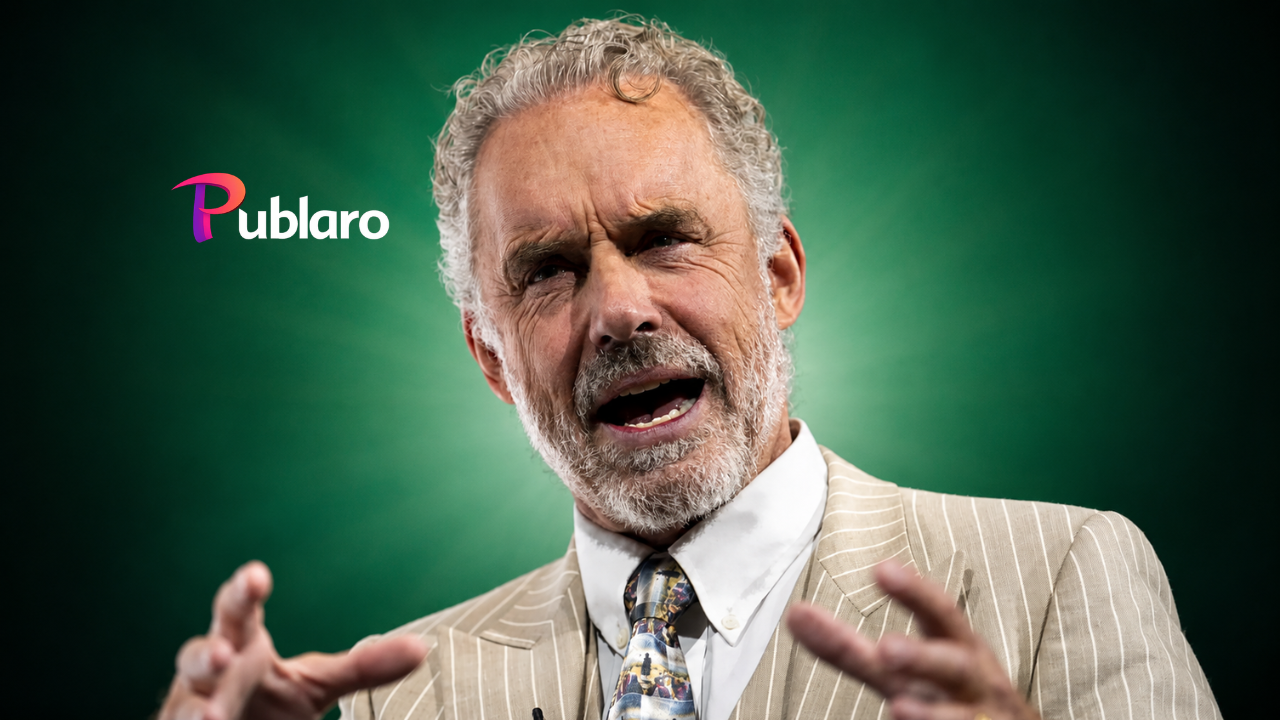
Jordan Peterson Health: What Really Happened to His Illness, Diet, and Recovery
Jordan Peterson health has become one of the most searched topics about the Canadian psychologist, author, professor, and public speaker. Readers want to know whether he is still ill, what medical problems he has faced, why he stepped away from public activity, and how his diet, medication history, family updates, and recovery journey are connected.
Jordan Peterson is widely known for his books, lectures, interviews, and commentary on psychology, culture, religion, responsibility, and personal development. But over the last several years, his health has also become a major part of his public story. His family has spoken about serious health struggles, including medication-related complications, severe physical pain, reported neurological symptoms, dietary restrictions, and later updates involving CIRS, mold exposure, pneumonia, sepsis, and akathisia.
The most important thing to understand is that Jordan Peterson’s health story is complex. It includes public statements from Peterson and his family, media reporting, medical terms that need careful explanation, and some areas where details remain private. Because of that, the topic should be discussed with accuracy, caution, and respect.
This article explains the full picture in a clear and human way: what is publicly known, what has been reported, what medical terms mean, and why the story continues to attract so much attention.
Why Jordan Peterson Health Became a Major Search Topic
Jordan Peterson was already a widely discussed public figure before his health became a headline. His rise came through university lectures, YouTube videos, debates, bestselling books, and international speaking tours. When someone with that level of visibility suddenly reduces public appearances or shares serious medical struggles, public curiosity naturally increases.
The topic jordan peterson health grew for several reasons.
First, Peterson’s earlier health issues were connected to prescribed medication and withdrawal concerns. This sparked discussion because he is a clinical psychologist and had spoken publicly about mental health, discipline, suffering, and resilience. People wanted to understand how someone known for giving life advice was dealing with severe personal pain.
Second, his daughter Mikhaila Peterson also became part of the public discussion. She has shared updates about her father’s health, diet, symptoms, and recovery. Because many updates came through family statements and online videos, readers searched for simple explanations.
Third, Peterson’s diet became highly controversial. He and his daughter spoke publicly about eating an extremely restricted meat-based diet, often described as a carnivore or “lion diet.” Some readers searched because they wanted to know whether the diet helped him, whether it was safe, and whether it was connected to his health problems.
Fourth, more recent health reports mentioned serious terms such as akathisia, chronic inflammatory response syndrome, pneumonia, sepsis, neurological injury, and mold exposure. These terms are not familiar to many readers, so they created a demand for explainers.
In simple words, people search for Jordan Peterson health because his case combines celebrity, medicine, diet, recovery, controversy, and public concern.
Jordan Peterson Health Timeline
Early Health and Public Life
Before his health struggles became widely discussed, Jordan Peterson was known mainly as a psychology professor, author, and speaker. His work focused on personality, belief systems, responsibility, mythology, and meaning. He taught at major universities and later became internationally famous through online lectures and media appearances.
During his rise to fame, Peterson maintained a demanding schedule. He appeared on podcasts, traveled for speaking events, wrote books, and participated in public debates. A lifestyle with heavy travel, constant attention, and public criticism can be difficult for any public figure, although only Peterson and his doctors know the full personal impact.
Around 2017–2019: Reported Health Struggles Intensify
Peterson and his family have publicly described earlier health problems involving severe food sensitivities, pain, depression-like symptoms, and medication use. His daughter has said that his health issues were already serious years before the more recent updates.
During this period, Peterson reportedly used benzodiazepine medication, often discussed in connection with Klonopin. Benzodiazepines are prescribed for conditions such as anxiety, panic, insomnia, and other medical needs, but they can also create dependence and withdrawal issues, especially when used long-term or stopped too quickly.
This period is important because many later discussions about Jordan Peterson health connect back to medication withdrawal and neurological symptoms.
2019–2020: Benzodiazepine Withdrawal and Treatment
One of the most widely reported parts of Peterson’s health story involved benzodiazepine dependency and severe withdrawal complications. His family said he experienced serious reactions while trying to stop the medication. Reports at the time described treatment outside North America, including Russia and Serbia, and a difficult recovery process.
This part of the story created strong public debate. Some people framed it as addiction, while others argued it was more accurately understood as physical dependence and withdrawal from prescribed medication. The difference matters. Addiction usually involves compulsive use despite harm, while physical dependence can happen when the body adapts to a medication taken as prescribed.
A careful article should avoid oversimplifying this part of Jordan Peterson health. The public record suggests a complicated medication-related health crisis, not a simple moral failure or lifestyle issue.
2020–2024: Recovery, Return, and Ongoing Pain
After treatment, Peterson gradually returned to public life. He resumed interviews, online content, and public commentary. However, he also continued to speak about pain and unresolved health problems. In interviews, he discussed severe discomfort and physical suffering, sometimes describing pain that affected his daily life.
This period shows that recovery was not a clean, simple ending. Although he returned to work, the public signs suggested that health remained a serious issue in the background.
2025–2026: CIRS, Mold Exposure, Pneumonia, Sepsis, and Akathisia Updates
More recent updates brought new attention to jordan peterson health. His family said he had been dealing with chronic inflammatory response syndrome, often shortened to CIRS, and connected it to mold exposure and immune system issues. Later updates also mentioned pneumonia, sepsis, hospitalization, neurological injury, and akathisia.
These reports led to another wave of searches because readers wanted to know whether Peterson was recovering, why he was away from public life, and what these medical terms meant.
As of the latest public updates, his health situation has been described as serious and difficult, with his family asking for privacy and prayers while also raising awareness about medication-related neurological suffering.
What Health Problems Has Jordan Peterson Publicly Faced?
Medication-Related Complications
The best-known part of Jordan Peterson’s health history involves benzodiazepine medication and withdrawal. Benzodiazepines affect the central nervous system and are sometimes prescribed for anxiety, sleep disorders, muscle spasms, and other conditions. When the body becomes dependent, stopping suddenly or tapering too quickly can be extremely difficult for some patients.
Peterson’s family has described severe withdrawal effects and neurological suffering. This is one reason his health story has been discussed not only in celebrity media but also in conversations about prescription medication safety, patient support, and withdrawal awareness.
The key point is that medication-related dependence can happen even when a drug begins as a legitimate prescription.
Severe Food Sensitivities and Diet Restrictions
Another major part of Peterson’s health story involves food sensitivities. Peterson and Mikhaila Peterson have both spoken publicly about following a highly restricted meat-based diet. They said dietary changes helped reduce some symptoms, especially those connected to mood, inflammation, and autoimmune-like problems.
However, this topic must be handled carefully. A diet that one person says helped them is not automatically safe or appropriate for everyone. Extreme diets can carry risks, especially if followed without medical supervision.
Physical Pain and Neurological Symptoms
Peterson has described serious physical pain over the years. Recent public updates have also discussed neurological symptoms and akathisia. These symptoms appear to be among the most distressing parts of his health story.
Akathisia is especially important because it is often misunderstood. It can look like anxiety or agitation from the outside, but people who experience it often describe an unbearable inner restlessness and inability to feel physically still.
CIRS and Mold Exposure Claims
More recent family updates have connected Peterson’s health problems to chronic inflammatory response syndrome and mold exposure. CIRS is a debated and complex topic. Some clinicians and patients use the term to describe multi-system symptoms linked to biotoxin exposure, while mainstream public-health resources generally discuss mold in terms of allergies, asthma, respiratory irritation, and infections in vulnerable people.
For readers, the safest interpretation is this: Peterson’s family has publicly connected his condition to mold exposure and immune dysfunction, but broad medical claims about CIRS should be treated carefully.
What Is Akathisia and Why Is It Linked to Jordan Peterson Health?
Akathisia is a movement-related condition usually described as an intense inability to remain still. People with akathisia may pace, rock, shift their legs, feel restless, or experience severe internal agitation. It is often associated with certain psychiatric medications, especially antipsychotics, but it can also be discussed in relation to antidepressants, medication changes, withdrawal, and other neurological or medical situations.
In the context of jordan peterson health, akathisia became a major topic because his family described him as suffering from a medication-related neurological injury and recurring akathisia symptoms. Mikhaila Peterson has spoken emotionally about how severe and devastating the condition can be.
Why Akathisia Can Be Misunderstood
Akathisia can be mistaken for anxiety, panic, agitation, or emotional instability. That is one reason it can be so frightening. A person may appear restless or distressed, while the deeper issue may involve a movement disorder or medication-related reaction.
This distinction matters because treating akathisia as simple anxiety may miss the real problem. It is a condition that requires medical evaluation, careful history-taking, and professional judgment.
Why Readers Should Avoid Self-Diagnosis
Although Peterson’s case has raised awareness, readers should not use his story to diagnose themselves. Restlessness, anxiety, panic, insomnia, and agitation can have many causes. Anyone experiencing severe symptoms after starting, stopping, or changing medication should seek medical advice immediately.
Jordan Peterson’s story can encourage awareness, but it should not replace proper care.
What Is CIRS and How Is Mold Exposure Connected?
CIRS stands for chronic inflammatory response syndrome. In Peterson’s case, his family has described it as an immune-related condition connected to mold exposure. They have suggested that mold and environmental triggers worsened his symptoms.
Mold exposure is a real public-health concern in some situations. Damp buildings, water damage, poor ventilation, and visible mold can worsen respiratory symptoms, allergies, asthma, irritation, and infections in people with weakened immune systems or chronic lung conditions.
However, CIRS itself is more controversial than general mold exposure. Some practitioners use the diagnosis to explain broad symptoms such as fatigue, brain fog, pain, sensitivity, inflammation, and immune dysfunction. Other medical authorities are more cautious and do not present CIRS as a universally accepted mainstream diagnosis.
A Balanced Way to Understand This Part of Jordan Peterson Health
A fair explanation is that Peterson’s family has publicly said mold exposure and CIRS were part of his health crisis. At the same time, readers should understand that medical discussion around CIRS is not as settled as common conditions like asthma, pneumonia, or sepsis.
The strongest article should not mock the claim, but it should not overstate it either. The right approach is careful, balanced, and respectful.
Pneumonia, Sepsis, and Hospitalization Concerns
Recent public updates also mentioned pneumonia and sepsis. These terms are serious.
Pneumonia is an infection that inflames the air sacs in one or both lungs. It can cause coughing, fever, chest pain, breathing difficulty, weakness, and severe complications, especially in older adults or people already dealing with other health problems.
Sepsis is a potentially life-threatening response to infection. It happens when the body’s response to infection becomes extreme and can lead to organ dysfunction. Sepsis is always serious and requires urgent medical care.
In Peterson’s case, reports and family updates said he was hospitalized and faced severe complications. This explains why his health became such a major concern for followers and critics alike. Even people who disagree with his views recognized that the situation sounded physically severe.
Pneumonia and sepsis are not minor health events. When they occur alongside neurological symptoms and long-term illness, recovery can take time.
Jordan Peterson Health and the Carnivore Diet
One of the most discussed parts of Jordan Peterson’s health story is his diet. Peterson and his daughter have described eating a very restricted meat-based diet. Some versions of this approach are called a carnivore diet, while Mikhaila Peterson has also used the phrase “lion diet” for a stricter version.
They have said the diet helped with symptoms such as mood problems, autoimmune-like reactions, and food sensitivities. This made the diet famous among some fans and controversial among doctors, nutritionists, and critics.
What the Diet Usually Includes
A carnivore-style diet usually focuses on animal foods such as:
- Beef
- Lamb
- Salt
- Water
- Sometimes eggs, fish, or dairy, depending on the version
The stricter “lion diet” is often described as ruminant meat, salt, and water only.
Why the Diet Became Controversial
The diet became controversial because it removes most plant foods, including fruits, vegetables, grains, legumes, nuts, and many sources of fiber. Critics worry about long-term nutrient balance, gut health, cholesterol, heart health, and sustainability. Supporters argue that some people with severe food sensitivities feel better on elimination-style diets.
What Readers Should Take From Peterson’s Diet Story
Jordan Peterson’s diet story should be viewed as a personal health experiment, not a universal recommendation. What he says helped him may not help another person. Anyone considering an extreme diet should speak with a qualified medical professional, especially if they have chronic illness, medication needs, heart risk, kidney concerns, or nutritional deficiencies.
Mental Health, Physical Pain, and Public Pressure
The topic jordan peterson health is not only about physical illness. It also connects to mental health, public pressure, grief, criticism, family stress, and the emotional toll of long-term suffering.
Peterson became famous partly for telling people to take responsibility, speak carefully, face suffering, and build order in life. When his own life became marked by severe illness, many people saw a human side behind the public figure.
This does not mean every public claim about his health should be accepted without question. It means the conversation should remain humane. Serious illness can affect anyone: professors, authors, doctors, parents, leaders, and public speakers.
Why Public Health Stories Can Become Unfair
When a famous person becomes ill, the internet often turns their suffering into a debate. Supporters may defend everything. Critics may use the illness to attack the person. Rumors may spread faster than facts.
That is especially true in Peterson’s case because he is politically and culturally controversial. Some readers approach the topic with sympathy. Others approach it with skepticism. A good article should do neither blindly.
The most trustworthy approach is to separate the person, the politics, the public medical claims, and the confirmed facts.
How His Health Affected His Career and Public Life
Jordan Peterson’s health has clearly affected his public activity. Over the years, he has taken breaks from work, reduced appearances, paused certain projects, and relied on family updates when unable to speak publicly in the same way as before.
His career includes books, lectures, podcasts, online education, interviews, and public debates. When his health worsened, fans noticed fewer appearances and looked for explanations. That is one reason health updates gained so much attention.
Public Appearances and Online Work
Peterson’s work depends heavily on speaking, writing, recording, traveling, and long-form intellectual discussion. Serious pain, neurological symptoms, hospitalization, or recovery challenges can make that kind of work difficult.
Even short appearances may require energy, focus, and physical strength. If someone is dealing with akathisia, severe pain, or recovery from infection, public work can become overwhelming.
Family Role in Updates
Mikhaila Peterson and Tammy Peterson have played visible roles in communicating about his condition. Family updates have helped followers understand what was happening, but they also created public debate because not every detail can be independently verified by readers.
When family members speak during a medical crisis, their words should be treated as important but still understood as personal updates, not full medical records.
What Is Confirmed and What Should Be Treated Carefully?
Because jordan peterson health is a sensitive topic, it is useful to divide the information into confirmed public statements, reported claims, and speculation.
Publicly Discussed or Widely Reported
The following points are widely discussed in public reporting and family updates:
- Jordan Peterson has faced serious health issues over multiple years.
- His family has discussed benzodiazepine-related complications and withdrawal.
- Akathisia has been mentioned in connection with his neurological suffering.
- His family has connected more recent problems to CIRS and mold exposure.
- Pneumonia, sepsis, and hospitalization have been reported in recent updates.
- His health has affected his public appearances and work schedule.
- He has followed a highly restricted meat-based diet.
Areas That Require Caution
The following areas should be handled carefully:
- The exact full medical diagnosis
- The degree to which mold exposure explains all symptoms
- Claims about experimental treatments or rumored causes
- Whether one diet or one treatment caused improvement or decline
- Predictions about when he will return to public life
- Any attempt to diagnose him without access to his medical records
Why This Caution Matters
Public figures still have medical privacy. Even when family members share updates, the public does not have the full clinical picture. Good writing should not pretend to know more than is publicly available.
The responsible conclusion is that Jordan Peterson has faced serious, publicly discussed health struggles, but the full medical details belong to him, his family, and his doctors.
Quick-Read Summary Table
| Topic | Simple Explanation |
| Main keyword | jordan peterson health |
| Main reason people search | To understand his illness, recovery, diet, and public absence |
| Major reported issues | Akathisia, medication withdrawal complications, CIRS, mold exposure, pneumonia, sepsis |
| Diet connection | Peterson has spoken about a highly restricted meat-based diet |
| Most sensitive topic | Medication-related neurological suffering and akathisia |
| What readers should avoid | Self-diagnosis, rumors, and assuming all details are confirmed |
| Current public picture | Serious health struggles with family updates and ongoing recovery concerns |
| Best way to understand the topic | Balanced, respectful, fact-aware, and cautious |
Conclusion
Jordan Peterson health is a complex topic because it includes long-term illness, medication-related suffering, neurological symptoms, diet choices, mold exposure claims, hospitalization, family updates, and public speculation. It is not a simple story with one easy explanation.
The most reliable way to understand it is to separate what has been publicly stated from what remains private. Peterson has clearly faced serious health struggles, and those struggles have affected his career, public appearances, and family life. His case has also raised wider conversations about prescription medication withdrawal, akathisia awareness, extreme diets, chronic illness, and how the public treats famous people during medical crises.
The key takeaway is this: Jordan Peterson’s health story should be discussed with care, accuracy, and humanity. Readers can learn from the public information available, but they should avoid turning a private medical crisis into rumor, diagnosis, or political entertainment.
FAQs
What happened to Jordan Peterson health?
Jordan Peterson health became a major topic after he and his family publicly discussed serious medical struggles over several years. These included benzodiazepine-related complications, withdrawal issues, severe physical pain, food sensitivities, akathisia, CIRS claims, mold exposure, pneumonia, sepsis, and hospitalization. His health problems also affected his public appearances and work schedule.
What illness does Jordan Peterson have?
Public updates have mentioned several health issues rather than one simple illness. His family has discussed medication-related neurological problems, akathisia, chronic inflammatory response syndrome, mold exposure, pneumonia, and sepsis. Because the full medical record is private, readers should avoid reducing his condition to only one diagnosis.
What is akathisia in Jordan Peterson’s health story?
Akathisia is a condition involving intense restlessness and an inability to remain still. It can be linked to certain medications, medication changes, or withdrawal in some cases. In Jordan Peterson’s health story, his family has described akathisia as one of the most severe and distressing parts of his recent suffering.
Did Jordan Peterson’s diet improve his health?
Jordan Peterson and his daughter have said that a strict meat-based diet helped with some symptoms, especially food sensitivities and mood-related problems. However, this is a personal account, not a universal medical recommendation. Extreme diets should be considered only with proper medical guidance.
Was Jordan Peterson hospitalized?
Yes, public reports and family updates have described hospitalization connected to pneumonia, sepsis, and other complications. These reports contributed to renewed concern about Jordan Peterson health and his ability to return to public life.
Is Jordan Peterson recovering now?
Public updates have suggested that Peterson has been dealing with a difficult and ongoing recovery process. However, no outside reader can know the full details of his condition, timeline, or prognosis. The most accurate answer is that his family has described serious health challenges and continued recovery concerns.
If you like this blog, read more about “different blog”
Updated Report: June 2026
Publaro.co.uk